
Author Archive
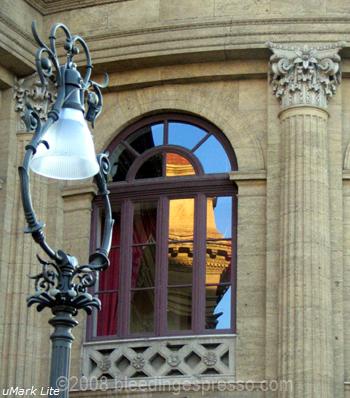
Teatro Massimo in Palermo, Sicily
I loved Palermo so much I can’t possibly sum it all up in one, two, or even three posts. So for the next several Mondays, I’m going to share travel tales from Palermo . . .
Palermondays are here!
Now you may remember that before Cherrye and I set off for our trip to Sicily, I mentioned wanting to visit the Teatro Massimo in Palermo. Well we did!
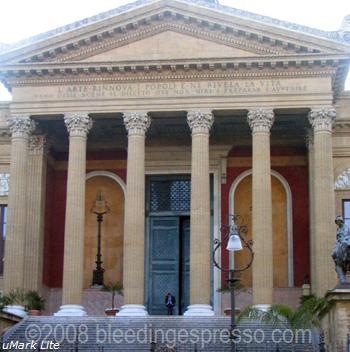
This magnificent opera house opened in 1897 in part to provide national unity for the newly formed country of Italy; remember the Risorgimento and unification of Italy only occurred in the 19th century.
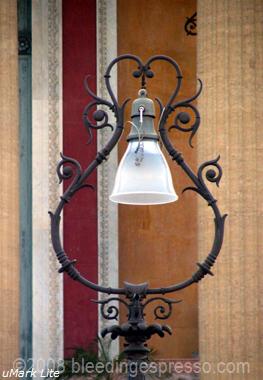
As the largest opera house in Italy and the third largest in all of Europe, Teatro Massimo Vittorio Emanuele seats 1,350 and features 7 tiers of boxes around an inclined stage, all in the shape of a horseshoe.
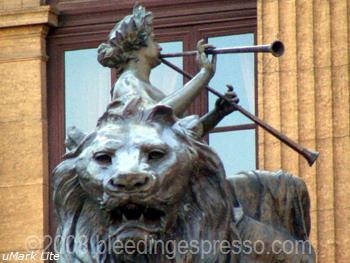
The opera house was built by the architect Giovanni Battista Filippo Basile, paying homage to classic Sicilian architecture; the exterior is reminiscent of the ancient Greek temples of Selinunte and Agrigento.
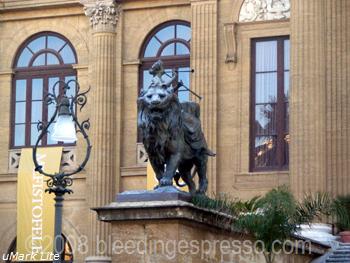
Take a virtual tour of Teatro Massimo here.
Don’t forget to come back next week for another Palermonday!
Happy Liberation Day Italia!
Today is one of Italy’s biggest holidays: la Festa della Liberazione or Liberation Day, celebrating the country’s liberation from fascism thanks to Allied troops at the end of World War II.
Read on...love thursday: lemon love
I’m celebrating lemon love this week.
Although this wonderful citrus fruit grows year round here, lemons still say l’estate to me. I *love* an ice cold glass of homemade lemonade; P prefers lemon slices sprinkled with salt.
As much as I love to enjoy lemons, though, I couldn’t split up this adorable pair:
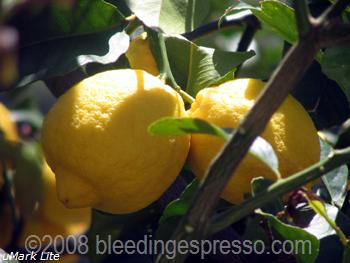
Even though I know that more are on their way.
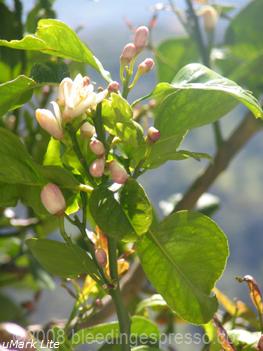
What’s your favorite way to enjoy a lemon?
Happy Love Thursday everyone!
What’s Cooking Wednesday: Cannellini Beans & Tomatoes
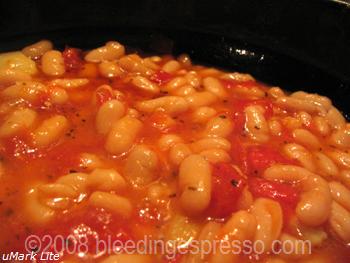
 This week’s What’s Cooking Wednesday came about as a “What do we already have in the house?” dish.
We had some cannellini beans that P’s mom had prepared for us (they were already soaked and cooked), and although we usually pair them with chicory, we wanted something different.
So I searched the Internet and found this recipe for the traditional Florentine Fagioli all’Uccelletto, which calls for just tomatoes, garlic, olive oil, and sage in addition to the beans. Since I didn’t have any sage, I used basil instead.
And it was delicious.
In fact, this has quickly become a staple for us–so quick and easy, and it sticks to your ribs too, especially when you pair it with fresh bread.
If you want to use dry beans, please see instructions here for soaking and cooking before you add them. I tend to use canned beans because they keep their consistency a little better when mixed with tomatoes in particular.
Cannellini Beans & Tomatoes
- 4 tablespoons olive oil
- 3 medium-sized ripe tomatoes, cut into chunks
- 3 small cloves of garlic, each cut in half
- 1 tablespoon of dry basil or a few leaves of fresh basil (adjust to taste)
- 2 (400 g) cans cannellini beans
- salt to taste
1. In medium saucepan, heat olive oil over medium heat.
2. Add tomatoes, garlic, basil, and a bit of salt, and let cook for about 15-20 minutes, stirring often with a wooden spoon. You essentially want this to become a chunky sauce. Note that if you’re really against tomato skins in this, parboil the tomatoes first and remove the skins before adding them to the pan.
3. Stir in beans and let cook for another 10 minutes or so. Remember that the beans really only need to be heated through, so be sure the tomatoes are cooked to your liking before adding the beans; otherwise you’ll end up cooking the beans too long, and they’ll get mushy.
4. Adjust for salt and serve hot with crusty bread.
Buon appetito!
Earth Day 2008: The Plight of the Honeybee
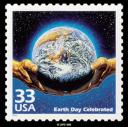 Today is Earth Day, 24 hours for us to stop and really think about how our actions affect the environment.
Of course we should do this every day, but, according to the Earth Day Network website, since 1970, April 22 has represented at least one day per year for people around the world to “celebrate the earth and renew our commitment to building a safer, healthier and cleaner world for all of us.”
The Earth Day Network site offers many ideas as to how you can get involved:
Volunteer. Go to a festival. Install solar panels on your roof. Organize an event where you live. Change a habit. Help launch a community garden.
Communicate your priorities to your elected representatives.
The possibilities are endless! Do something nice for the earth, have fun, meet new people, and make a difference.
This Earth Day, I’m going to tell you about the birds and the bees.
OK, really just the bees, but I wanted to make sure you were paying attention.
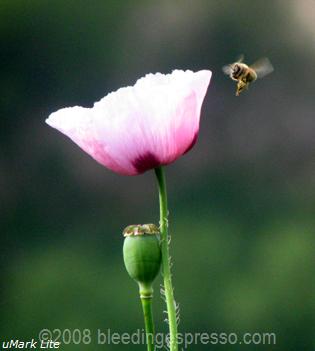
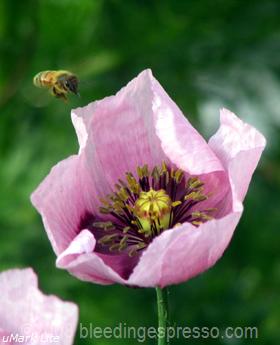
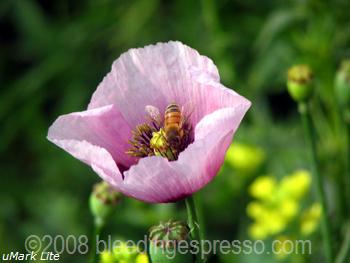
The plight of honeybees may seem small in comparison to many of the other problems our environment faces, but make no mistake–the fact that millions of honeybees are dying (Colony Collapse Disorder) can have disastrous effects not only on flowers and honey but also on food production, including many of the fruits we hold so dear.
Honeybees pollinate about a third of the food we eat, and without sufficient numbers of bees, these crops simply can’t survive.
Why are bees dying?
A few reasons:
- stronger pesticides (which, incidentally, can be toxic to humans as well);
- loss of natural habitats due to urban expansion;
- changes in farming techniques that replace native vegetation with pasture grasses for cattle; and
- more frequent severe droughts in some areas like southern Italy
The endangerment of honeybees has been big news in Italy. The National Beekeepers’ Association (UNAAPI) has seen drastic drops in honey production–as much as 50%–because of a silent “slaughter of bees.” Along with southern Italy, Tuscany and Umbria have also been hit hard.
Environmental group Legambiente and the Slow Food movement have teamed up to help the UNAAPI create a buzz about the endangerment of bees; hopefully world leaders and lawmakers will work together to ensure that we all avoid getting stung by a major loss of honeybees.
For more information and what you can do to help, see PBS’s program Endangered Honeybees and Häagen-Dazs’s page on how to Help the Honey Bees.
 Michelle Kaminsky is an American attorney-turned-freelance writer who lived in her family's ancestral village in Calabria, Italy for 15 years. This blog is now archived.
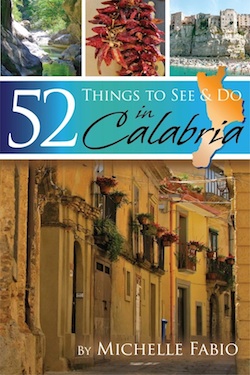
Calabria Guidebook
Recipes


